What is a Bill of Lading?
By admin
/ March 19, 2024
In the dynamic realm of international trade, the ‘bill of lading’ holds a pivotal role in ensuring the smooth transportation…
Read More

By Sagar Chourasia, NITISARA
In a world where global supply chains operate with split-second precision, what happens once a vessel arrives at port can mean the difference between profitability and penalty. The traditional customs clearance process has long been seen as a bottleneck: complex, paper-heavy, and prone to delays. But with the advent of international trade reforms like the WTO Trade Facilitation Agreement (TFA), alongside the Revised Kyoto Convention (RKC), the script is changing. Add to that the rise of digital communication systems and enhanced vessel connectivity, and we find ourselves on the brink of a new era in maritime logistics. This blog explores how smart customs processes are transforming the landscape of international trade and why mastering them is essential for every stakeholder in the supply chain.
Historically, customs clearance was perceived as a slow-moving regulatory formality, a necessary step before goods could be released into circulation. But today, with margins tightening and consumer demand shifting rapidly, clearance delays can cripple operations. Ports are no longer just docking stations; they are high-throughput nodes in a competitive global value chain. Modern customs policies, driven by agreements like the TFA and supported by frameworks like the RKC, now push for real-time processing, digital filing, and predictive risk management. For importers and logistics providers, this transformation offers more than speed. It provides predictability, reduced costs, and reputational leverage that can translate directly into market advantage. Modernizing customs clearance has delivered measurable economic and operational gains across the globe. In India, the average dwell time for import containers has reduced from 104 hours in 2019 to around 88 hours in 2024, largely due to the adoption of digital systems such as the ICEGATE portal, SWIFT (Single Window Interface for Facilitating Trade), and AI-based risk management systems.
According to the WTO, full implementation of the Trade Facilitation Agreement (TFA) could reduce global trade costs by up to 14.3%, generating over $1 trillion in additional trade annually. Countries like Zambia have cut clearance times from 5 days to just 2 hours, while India’s Jawaharlal Nehru Customs House (JNCH) reduced sea cargo release times from 181 hours in 2017 to 55 hours by 2022. Similarly, the adoption of risk-based inspections and digital clearance systems in nations like Chile and China has halved processing times and minimized dwell times. These improvements don’t just save time—they translate into real money: each day saved in cargo release can boost trade value by 1%, while global trade facilitation enhancements could yield $377 billion in gains, with $33 billion attributed to customs reforms alone.
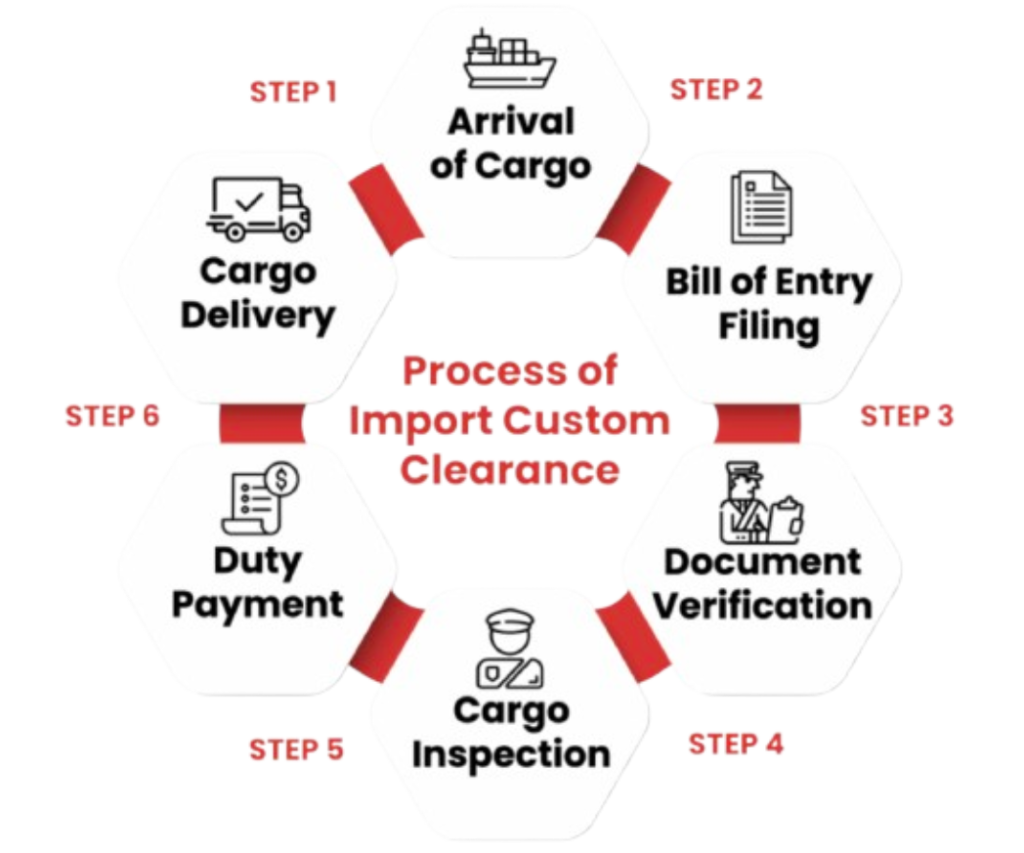
To streamline clearances, importers and agents should ensure timely submission of the Bill of Entry, accurate documentation, and pre-arrival filing under the Faceless Assessment scheme. Leveraging digital trade platforms and electronic Delivery Orders (e-DOs) can cut processing time by up to 40%, while using the Authorized Economic Operator (AEO) status enables faster risk-based examination and green-channel clearance. By integrating compliance automation, proactive coordination with port authorities, and transparent documentation practices, businesses can significantly reduce turnaround time and costs—contributing to India’s goal of achieving global top-25 ranking in the World Bank’s trade facilitation index by 2030.
Under Article 7 of the TFA, customs authorities must allow the submission of import documentation before the vessel’s arrival. This “pre-arrival processing” enables port officials to begin clearance procedures early, flag high-risk shipments, and prepare for inspections. Countries such as Japan, Rwanda, and Türkiye are already benefiting from electronic data interchange (EDI) systems that support advanced lodgment. This shift isn’t just administrative. According to the WCO’s Immediate Release Guidelines, timely submission of electronic manifests reduces dwell time, expedites examination, and lowers warehousing costs. It also gives customs the ability to apply smarter selectivity criteria, such as those based on HS codes, country of origin, or the historical compliance record of the importer, turning customs into a proactive filter rather than a reactive gatekeeper.
After berthing, cargo is unloaded under the supervision of customs. But unlike earlier eras where every container might be scrutinised, today’s inspections follow risk-based methodologies. Standard 6.4 of the RKC mandates customs to use risk analysis to determine which shipments deserve closer scrutiny. Countries like Korea and Mauritius now employ integrated digital control systems that filter out compliant, low-risk shipments for expedited clearance while focusing attention on anomalies or flagged profiles. These systems, often backed by artificial intelligence or historical trend data, dramatically reduce unnecessary physical inspections. For traders, this means faster clearance and less disruption to inventory cycles. For authorities, it means optimized use of limited inspection resources and the ability to allocate manpower strategically, enhancing overall port efficiency.
One of the most impactful provisions under the TFA and RKC is the ability to release goods prior to the final determination of customs duties and taxes. With appropriate guarantees such as surety bonds or cash deposits, importers can claim their goods while backend processes catch up. RKC Standards 3.13 to 3.17 underscore that customs may accept provisional declarations as long as basic details, like value, classification, and quantity, are sufficient. This provision is particularly vital for time-sensitive industries like automotive, where component availability directly impacts production lines. It also enables smoother cash flow management by delaying final payments until calculations are complete, offering a much-needed financial cushion in high-volume, thin-margin trade environments.
Once the goods clear inspection, the financial aspect kicks in. TFA Article 7.2 promotes electronic payment mechanisms for duties and taxes, encouraging the adoption of fully digital, integrated financial processes. India’s ICEGATE portal is a model in this space, allowing real-time payments, refund tracking, and document uploads, all through a single interface. This digitisation not only reduces queues at customs houses but also brings transparency to a system long plagued by opacity. Automated audit trails help track discrepancies, reduce under-invoicing, and simplify compliance. As governments embrace fintech solutions, payment delays and administrative bottlenecks are quickly becoming relics of the past.
Smart customs is impossible without smart communication. However, traditional vessels, particularly older ships with steel-enclosed engine and control rooms, often lack seamless digital connectivity. This is changing fast with the rise of VSAT, ruggedized mesh networks, and maritime satellite solutions like Starlink. These systems enable real-time data exchange between ships and port authorities, including customs offices, reducing the chances of miscommunication or error at critical moments. Standard Marine Communication Phrases (SMCP), established by the IMO, have further standardized verbal and written communication, particularly in multilingual or high-stress scenarios. Combined with mandatory training under the STCW Convention, this ensures that critical messages between bridge and engine room, or ship and shore, are clear, quick, and understood. The broader digitalization trend, supported by international initiatives, is pushing the maritime industry toward a fully connected, responsive future.
Perishable items like food, pharmaceuticals, or live animals are especially vulnerable to delays. Article 9 of the TFA mandates expedited clearance for perishables, even outside normal business hours. The RKC echoes this through Standard 3.34, which prioritizes fast examination and release. This isn’t merely a facilitation issue; it’s about reducing spoilage, ensuring product integrity, and meeting safety regulations. Meanwhile, air cargo, though a smaller portion of total freight volume, demands even faster processing. Article 8.2 of the TFA sets out guidelines for expedited release procedures, and countries like Singapore and Chile have embedded this into their customs infrastructure. Facilities are now designed for fast unloading, minimal documentation, and high-frequency scanning, especially for compliant operators. The result is a supply chain that remains resilient, even under high-pressure timelines.
Post-clearance audits (PCA) allow customs authorities to inspect records after goods have been released, which reduces front-end delays while still ensuring compliance. PCA strategies are aligned with WCO’s audit guidelines and are increasingly data-driven, using AI to identify irregularities across shipments, suppliers, or declarations. Similarly, Authorised Economic Operator (AEO) programs reward trusted traders with privileges like reduced inspections, deferred duties, and even clearance at private warehouses. Mutual Recognition Agreements (MRAs) between countries make AEO certification even more powerful, enabling seamless movement across borders. These mechanisms form the backbone of long-term trade facilitation, creating a more predictable and efficient trading ecosystem for all participants.
Customs clearance, once a mundane backend task, is rapidly becoming a focal point of trade strategy. With digital transformation, intelligent risk management, and global policy alignment, the port is no longer a choke point; it is a launchpad. Businesses that master the new customs playbook stand to save time, reduce costs, and build reputational advantage. As international trade grows more digitised and interconnected, the smartest players will not just comply. They will lead. And the journey starts with what happens right after the vessel arrives.
Efficient customs clearance after vessel arrival is one of the most critical determinants of trade competitiveness and supply chain velocity. Globally, the average customs clearance time for sea freight ranges from 24 to 72 hours, depending on documentation accuracy, digital readiness, and inspection intensity (World Bank Logistics Performance Index, 2023). Delays can cost shippers an estimated $1.3–$2.6 billion annually in demurrage and detention charges, with average container demurrage rates reaching $150–$200 per day at major ports.
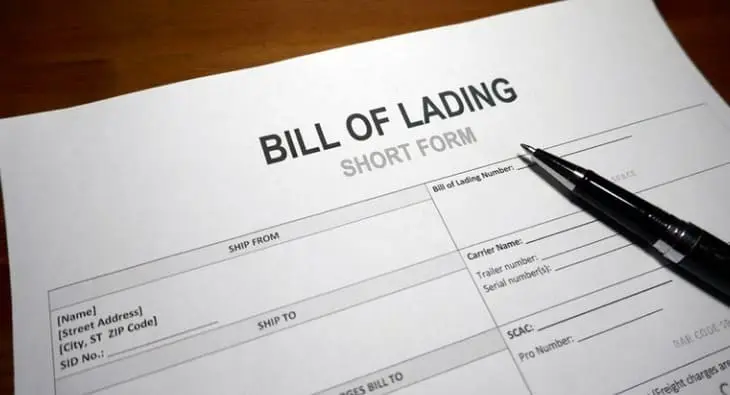
To mitigate these risks, exporters and importers should adopt pre-arrival processing—submitting electronic documents such as the Bill of Lading, manifest, and commercial invoice before vessel docking—to accelerate release. Platforms like TradeLens, Port Community Systems (PCS), and Customs Single Windows have proven effective, reducing clearance times by up to 40% through real-time data exchange among port authorities, customs, and freight forwarders. Leveraging AI-driven document verification, blockchain for data integrity, and risk-based inspection systems ensures smoother post-arrival clearance and minimizes physical checks. In the evolving trade landscape, the focus must shift from manual compliance to digitally synchronized border management, enabling logistics stakeholders to convert customs clearance from a bottleneck into a competitive advantage. By doing so, global traders can reduce lead times, optimize costs, and enhance reliability in cross-border supply chains.
The views expressed do not represent the company’s position on the matter. Stay informed through Nitisara Platform and Blogs and adapt to emerging trends are poised to thrive in the competitive global marketplace. – https://nitisara.org/category/blogs-updates/