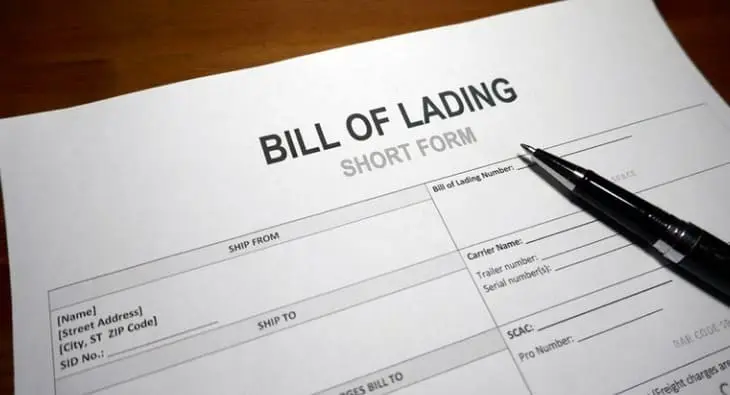
What is a Bill of Lading?
By admin
/ March 19, 2024
In the dynamic realm of international trade, the ‘bill of lading’ holds a pivotal role in ensuring the smooth transportation…
Read More

By Ansh Agarwal, Researcher, NITISARA
In the world of international trade, success hinges not only on efficient supply chains or access to global markets, but also on a far more intangible asset: TRUST. While digital platforms and global logistics networks have made transactions easier than ever, they’ve also increased the complexity of cross-border dealings. Miscommunications, unclear responsibilities, and unreliable partners can quickly spiral into costly disputes. A delayed shipment, a withheld payment, or a misunderstood contract can turn a promising business relationship into a legal headache. These aren’t problems rooted in chance, most can be anticipated and avoided through clear agreements, due diligence, and relationship-building. This blog explores why disputes occur, especially for new importers and exporters, and how smart practices can prevent them.
International trade presents immense opportunity, but also significant risk. Unlike domestic transactions, cross-border trade involves varying legal systems, languages, regulations, and time zones. A minor misstep in documentation or miscommunication on delivery terms can lead to serious delays, penalties, or financial losses. And when conflicts arise, resolution becomes much harder due to jurisdictional challenges and lack of common legal frameworks. However, most of these disputes share a common thread: unclear expectations and a lack of trust. That makes them preventable with the right systems and mindset.
Disputes in international trade often lead to far more than just strained relationships, they carry significant financial consequences. Legal arbitration alone can consume 20% or more of the disputed amount, with average international cases costing upwards of $100,000 in tribunal and counsel fees. Delays tied to payment issues can lock up capital and result in opportunity costs of over $180,000 per month, while demurrage charges, reverse logistics, and storage for reclaimed cargo can add $50,000 or more, especially in high-value shipments. Even when insured, cargo damaged during disputes often suffers a 10-30% value loss after deductibles and exclusions, and time-sensitive goods like perishables or electronics can depreciate by 5-15% weekly. Altogether, a dispute on a $1 million shipment can incur $400,000-600,000 in combined losses within just a few weeks. According to industry estimates, trade-related disputes cost the global economy over $40 billion annually, a staggering figure that underscores why prevention, trust, and clarity in global trade relationships are not optional, but essential.
Disputes in international trade don’t typically stem from malice. They usually occur because of avoidable misalignments. Common causes include vague or missing contractual terms, misunderstandings around Incoterms (especially around risk and cost responsibilities), lack of cargo insurance, non-compliance with customs regulations, delayed or incomplete payments, and credibility issues between trading partners. These conflicts aren’t trade wars between nations. They are operational disconnects between two businesses trying to work across borders, often exacerbated by gaps in knowledge or communication.
For new entrants in the export-import space, a lack of familiarity with trade norms often leads to friction. One of the most common issues is the misuse or complete absence of Incoterms. Terms like FOB, CIF, and DDP carry specific meanings that define who pays for what and where liability shifts. Misinterpreting these can cause one party to unfairly shoulder unexpected costs. Many first-time businesses also fail to leverage government schemes like the RoDTEP or the Interest Equalization Scheme, which can offset significant expenses. Cargo insurance is another blind spot, some assume that freight forwarders have it covered, only to learn otherwise when goods are damaged. Additionally, poor awareness of documentation and compliance norms whether it’s export licenses or import country product standards can delay shipments or lead to penalties, sparking unnecessary disputes.
Most disputes can be prevented by establishing clarity from the outset. Start with robust, well-drafted contracts that specify payment terms, delivery timelines, responsibilities for customs, and preferred dispute resolution mechanisms. Select Incoterms based on the nature of the goods and the trade route, and ensure both sides are on the same page regarding their obligations. Make cargo insurance a standard part of your shipment planning, and document every step — from the initial quotation to the final delivery receipt. Consulting with Export Promotion Councils (EPCs) such as FIEO or EEPC can also help new businesses ensure compliance, avoid common pitfalls, and access helpful incentives. For payments, structured instruments like Letters of Credit (LC) or trusted escrow services can go a long way in protecting both parties.
Late payments are among the most frequent sources of tension in cross-border trade. They erode trust, cause working capital issues, and delay future orders. To avoid disputes over payments, it’s crucial to define payment structures up front whether it’s advance, partial LC, or open credit and agree on the documentation required. Including late payment penalties in the contract adds further protection. Sellers should also consider trade credit insurance when dealing with newer or risk-prone buyers, especially in unfamiliar markets. From the buyer’s perspective, maintaining a consistent track record of timely payments not only secures goodwill but also strengthens negotiating power in future deals.
While contracts and procedures provide structure, trust is built over time. Businesses that move beyond transactional thinking and invest in long-term partnerships benefit from stronger communication, shared expectations, and reduced friction. Long-term partners tend to accommodate minor delays or errors without escalating them into formal disputes. They’re more open to collaborative planning around costs, inventory schedules, and demand cycles. Building such relationships doesn’t happen overnight, but when importers and exporters view each other as allies rather than one-off suppliers or customers, disputes become the exception, not the rule.
Trust issues often stem from engaging with unknown or unverified parties, especially on large B2B platforms. While sites like IndiaMART and Alibaba are useful for discovering potential partners, they should not be the sole source of validation. Start by checking government databases. Export Promotion Councils, DGFT listings, and customs department records can confirm registration and trade activity. Embassies or consulates in the trading partner’s country can also assist with basic background checks. Informal but effective verification methods include speaking with mutual contacts, reaching out to other exporters for references, or checking for trade history and online reviews. Always request documentation like invoices, references, or licenses and verify them before making commitments.
In international trade, the cost of a dispute is rarely just financial. It impacts timelines, relationships, reputations, and future opportunities. While legal remedies exist, prevention is by far the better path. Clarity in contracts, proper use of Incoterms, strong verification practices, and mutual respect go a long way in keeping global business relationships smooth and profitable. As international trade continues to grow, so does the need for thoughtful, prepared professionals who understand that behind every shipment and document is a partnership that deserves careful handling. Trust, after all, is the most valuable cargo.
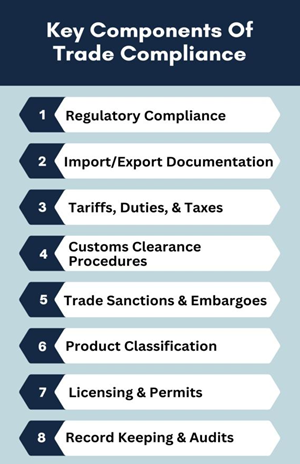
In conclusion, minimizing disputes in global trade isn’t just about legal safeguards—it’s about building systems of trust, transparency, and traceability. According to the International Chamber of Commerce (ICC), trade disputes cost businesses an estimated $700 billion annually, often due to documentation errors, payment delays, or misaligned contract terms. By integrating digital trade documentation, smart contracts, and AI-driven compliance checks, EXIM buyers and sellers can reduce dispute risks by up to 60%, as suggested by World Bank trade facilitation studies. Ultimately, fostering a culture of collaboration—supported by verified trade data, transparent communication, and fair arbitration mechanisms—will transform cross-border trade from a risk-laden process into a resilient, trust-driven global network.
The views expressed do not represent the company’s position on the matter. Stay informed through Nitisara Platform and Blogs and adapt to emerging trends are poised to thrive in the competitive global marketplace. – https://nitisara.org/category/blogs-updates/