This blog provides a comprehensive overview of the major commercial vessel types that power global maritime trade, examining their unique structural features, cargo-handling capabilities, operational roles, and how each class of ship supports the diverse and dynamic demands of international shipping and logistics.
Cargo Ships and Their Role in Global Trade
Cargo ships, or freighters, are essential merchant vessels that transport goods across the globe, handling the majority of international trade. Built primarily from welded steel for durability, these ships are designed for efficiency, often featuring cranes and specialized equipment for loading and unloading. With lifespans of 25 to 30 years, cargo ships range from small coastal vessels to massive ocean carriers, each tailored to specific trade needs.
Shipping remains the most cost-effective and reliable mode of transport for moving large volumes of goods, playing a vital role in global supply chains. As trade volumes grow, the maritime sector evolves with more specialized and efficient vessels, reinforcing the link between shipping, economic stability, and infrastructure investment. Disruptions in maritime transport can ripple across economies, while long-term fleet planning directly influences future trade, sustainability, and resilience. In this way, shipping stands not just as a logistical tool but as a cornerstone of global economic strategy.
Major Categories of Cargo Ships
Cargo ships are primarily categorized based on the type of cargo they are designed to transport, their carrying capacity (often measured in tonnage or Deadweight Tonnage – DWT), and their physical dimensions, including length, width (beam), and draft. Beyond cargo type, vessels also operate under distinct service models: “liner” services, which adhere to fixed, published schedules and tariff rates (typically container vessels), and “tramp” services, which operate without fixed schedules and are chartered for specific loads, often by smaller shipping companies or private entities.
Primary Cargo-Based Classifications
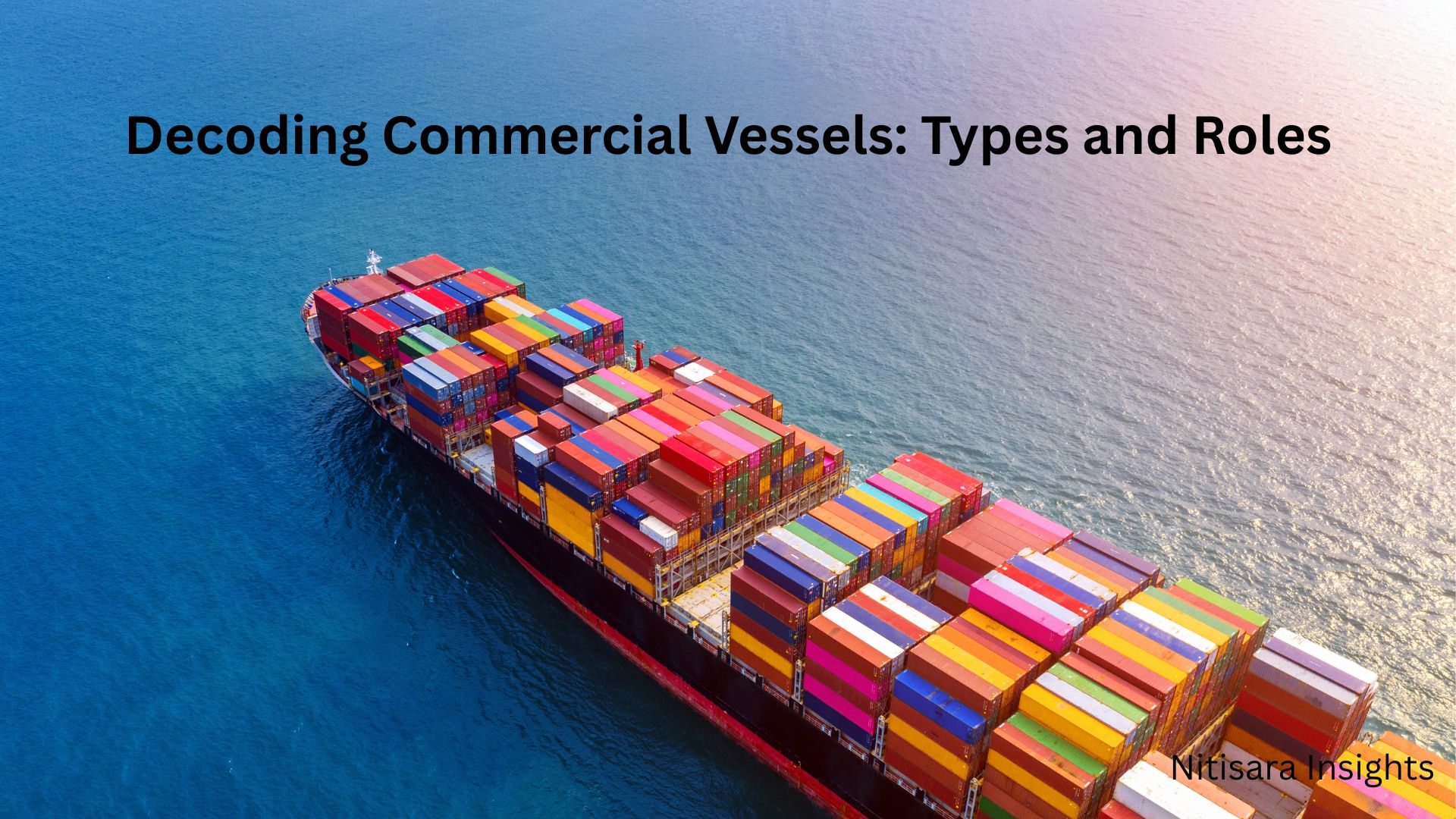
Container ships are designed to transport standardized cargo containers efficiently across oceans. With capacities reaching up to 24,000 TEUs, they are widely used for global trade, carrying goods like electronics, clothing, and machinery.
Bulk carriers handle unpackaged dry cargo such as coal, grain, and iron ore. These ships can reach capacities of up to 400,000 DWT and are categorized into types like Handysize, Panamax, and Capesize depending on their size and the ports they can access.
Oil tankers are built for transporting liquid cargo, primarily crude oil. They can carry up to 550,000 DWT and come in classifications such as Aframax, Suezmax, and VLCC (Very Large Crude Carriers), catering to different route and terminal requirements.
Multi-purpose vessels are versatile ships capable of carrying both containerized and breakbulk cargo. They typically range from 5,000 to 25,000 DWT and are used for routes or ports where cargo diversity or flexibility is essential.
Roll-on/Roll-off ships (Ro-Ro ships) are designed to transport wheeled cargo such as cars, trucks, and trailers. With capacities reaching up to 7,000 vehicles, they use built-in ramps to allow cargo to be driven on and off the ship easily.
Reefer ships are specialized for transporting perishable goods under strict temperature control. They can carry up to 15,000 tons and maintain cargo conditions from −60°C for frozen goods to +13°C for chilled items, making them ideal for food and pharmaceuticals.
Breakbulk ships transport items like steel beams, heavy machinery, and project cargo that cannot be containerized. Their capacity usually ranges from 10,000 to 30,000 DWT, and they often include self-loading or unloading equipment.
LNG ships are purpose-built for carrying Liquefied Natural Gas at very low temperatures. These vessels can hold up to 266,000 cubic meters and are fitted with highly insulated tanks to maintain LNG in its liquid state during transit.
Heavy lift ships are specialized vessels used to move oversized or extremely heavy cargo that conventional ships cannot accommodate. Often semi-submersible or equipped for float-on/float-off operations, they play a crucial role in transporting offshore platforms and industrial components.
Livestock ships are configured to transport live animals such as cattle and sheep. With capacities for up to 75,000 sheep or 18,000 cattle, these ships feature advanced feeding, watering, and ventilation systems to ensure animal welfare during long voyages.
General cargo ships are used to carry a variety of goods that are not in containers. They typically range from 3,000 to 30,000 DWT and transport diverse items such as packaged goods, machinery, and textiles.
Offshore supply vessels (OSVs) support offshore oil and gas exploration by transporting equipment, supplies, and personnel to and from platforms. These ships typically have capacities between 2,000 and 5,000 DWT and are essential to offshore operations.
Safety standards
IMO Safety Regulations for Major Ship Types
The International Maritime Organization (IMO) governs ship safety through global conventions like SOLAS, MARPOL, and STCW, tailored to different vessel types. Each category—bulk carriers, oil tankers, ro-ro ferries, and passenger ships—has specific structural, operational, and emergency preparedness rules to prevent accidents, improve survivability, and reduce environmental impact.
Bulk Carriers: Bulk carriers must comply with the IMSBC Code, which classifies cargoes, specifies loading procedures, and addresses hazards like liquefaction. SOLAS Chapter XII enforces structural standards (e.g., double-bottoms, hold strength) and mandates damage stability, water ingress alarms, and access for inspection. The BLU Code ensures safe terminal handling. Older vessels must undergo additional surveys, and all must meet the ISM Code for operational safety and environmental control (MARPOL compliance).
Oil Tankers: Oil tankers fall under MARPOL Annex I, requiring double-hull construction (phased in since 1992), segregated ballast tanks, and protective location of tanks to minimize pollution risk. SOLAS demands advanced fire safety systems and inert gas installations to prevent explosions. Emergency towing gear and steering redundancy are mandatory. The ISM Code governs operations, while the STCW Convention ensures trained crews. Tankers also need SOPEPs (Oil Pollution Emergency Plans) and must comply with pollution prevention via Oily Water Separators and Oil Record Books.
Ro-Ro Ferries: Ro-ro passenger ferries must meet SOLAS Chapter II-1 standards on watertight subdivision and damage stability. Fire safety is critical—new rules effective in 2026 require water-based fire monitors and improved protection on vehicle decks. Cargo lashing is governed by IMO circulars, and stability post-flooding is a priority due to past tragedies. The ISM Code ensures operational oversight, and EU regulations impose stricter inspections and certifications for ferries within Europe. Domestic Ro-Ro ferries are guided by the IMO’s Model Regulations on Domestic Ferry Safety.
Passenger Ships (Cruise & Ferries): Passenger ships are tightly regulated under SOLAS. Key safety upgrades post-2006 focus on “safe return to port” functionality, meaning vessels must remain operational after casualties. Probabilistic damage stability, fire detection systems, and fire-resistant spaces (like atria) are mandatory. The LSA Code governs lifeboats, life rafts, and emergency drills. Ships must carry Voyage Data Recorders and GMDSS equipment. The ISM Code and STCW require certified safety management systems and trained crews. MARPOL Annexes cover sewage, garbage, and air emissions, including the 0.50% global sulfur cap.
Regulation
Applies to
Description
SOLAS
All
Ship design, construction, equipment, fire safety, lifeboats, and communications
Modern commercial vessels come in many shapes and sizes, each purpose-built for specific cargoes and roles. They’re broadly categorized into dry cargo, liquid cargo, and specialized vessels—each reflecting the diverse needs of global trade.
Dry Cargo Ships
Bulk carriers transport unpackaged commodities like coal, grain, and ore. Featuring multiple large holds sealed by hatches, they’re often equipped with shipboard cranes to operate in ports without shore infrastructure.
General cargo vessels (or breakbulk ships) carry palletized, bagged, or irregular items using onboard derricks. Once ubiquitous, they now serve niche routes where containerization isn’t practical.
Container vessels revolutionized shipping with standardized TEU containers, streamlining loading, unloading, and intermodal transfer. Ranging from small feeder ships to ULCVs capable of carrying ~15,000 TEU, these ships dominate liner trade routes.
Reefer vessels are refrigerated ships designed for transporting perishable goods. These integrated units have largely been supplanted by refrigerated containers loaded on container ships.
Ro‑Ro (Roll‑On/Roll‑Off) vessels carry wheeled cargo like cars, trucks, and trailers. Adapted car carriers can carry over 6,000 vehicles and feature multiple decks linked by ramps for fast loading and unloading.
Liquid Cargo Ships
Tankers, including crude oil, product, and chemical tankers, are built with multiple cargo tanks and extensive piping systems. With double hulls and inert gas systems, they safely transport oil, fuel, chemicals, and liquefied gases. VLCCs and ULCCs dominate oil transport thanks to economies of scale.
Specialized Vessels
For unique or oversized cargos, heavy-lift/project ships are specifically designed to carry massive items like offshore platforms and wind turbine sections. Often equipped with 1,000‑tonne cranes or semi‑submersible capabilities, they accommodate project cargo that standard vessels cannot.Other specialized classes include livestock carriers, passenger ships, and tugs, each featuring vessel-specific enhancements to safely and efficiently handle their respective workloads.
Stay informed through the Nitisara Platform and Blogs, and adapt to emerging trends that are poised to thrive in the competitive global marketplace.- https://nitisara.org/category/blogs-updates/. The views expressed do not represent the company’s position on the matter
(Required) Enter a name to help you remember what this popup is about. Only you will see this.
(Required) Enter a name to help you remember what this popup is about. Only you will see this.
(Required) Enter a name to help you remember what this popup is about. Only you will see this.
(Required) Enter a name to help you remember what this popup is about. Only you will see this.
Sagar Kumar - Founding Member
Shown as headline inside the popup. Can be left blank.Shown as headline inside the popup. Can be left blank.Shown as headline inside the popup. Can be left blank.Shown as headline inside the popup. Can be left blank.Shown as headline inside the popup. Can be left blank.Shown as headline inside the popup. Can be left blank.Shown as headline inside the popup. Can be left blank.Shown as headline inside the popup. Can be left blank.Shown as headline inside the popup. Can be left blank.Shown as headline inside the popup. Can be left blank.Shown as headline inside the popup. Can be left blank.Shown as headline inside the popup. Can be left blank.Shown as headline inside the popup. Can be left blank.Shown as headline inside the popup. Can be left blank.Shown as headline inside the popup. Can be left blank.Shown as headline inside the popup. Can be left blank.Shown as headline inside the popup. Can be left blank.Shown as headline inside the popup. Can be left blank.Shown as headline inside the popup. Can be left blank.Shown as headline inside the popup. Can be left blank.Shown as headline inside the popup. Can be left blank.