What is a Bill of Lading?
By admin
/ March 19, 2024
In the dynamic realm of international trade, the ‘bill of lading’ holds a pivotal role in ensuring the smooth transportation…
Read More

By Tanmay Goel, Researcher, Nitisara
The India–EU trade relationship of around €120 billion in goods as of 2024 is transforming at an incredible pace with digitalization, facilitation of trade, and sustainability becoming the paramount themes. Green value chains are becoming a major priority for European importers, which is compelling Indian exporters to adopt practices such as carbon tracking, cleaner production, and ESG compliance. While this is taking place, the under negotiation India–EU Free Trade Agreement could remove tariffs on traded goods and simplify regulatory restrictions, including significantly enhancing bilateral supply chain effectiveness and robustness.
ndia and the European Union enjoy a historically robust and diversified trade relationship, based on the comparative advantage of both sides in manufacturing, technology, pharma, textiles, and services. As two of the largest economies in the world, their relationship has evolved beyond goods trading to greater economic interdependence, especially in the fields of standards, climate action, and innovation. In the last few years, it has become strategically driven by global sustainability agendas, e-commerce trajectories, and geopolitical changes demanding more secure and transparent supply chains.
Against this background, the India–EU supply chain relationship is transforming. There is increasing demand from European consumers for more sustainability and transparency from the end-to-end supply chain of production and logistics, and Indian businesses—SMEs and exporters alike—are being compelled to reset to changing green and regulatory demands. And while that is happening, the suggested Free Trade Agreement between the two sides is set to increase trade flows, lower costs, and create new possibilities for cooperation across industries. This blog discusses how sustainability is affecting the India–EU supply chain dynamic, the potential role the FTA could play in that scenario, and how Indian SMEs are rising to the challenge of changing EU market requirements.
EU Business Footprint in India
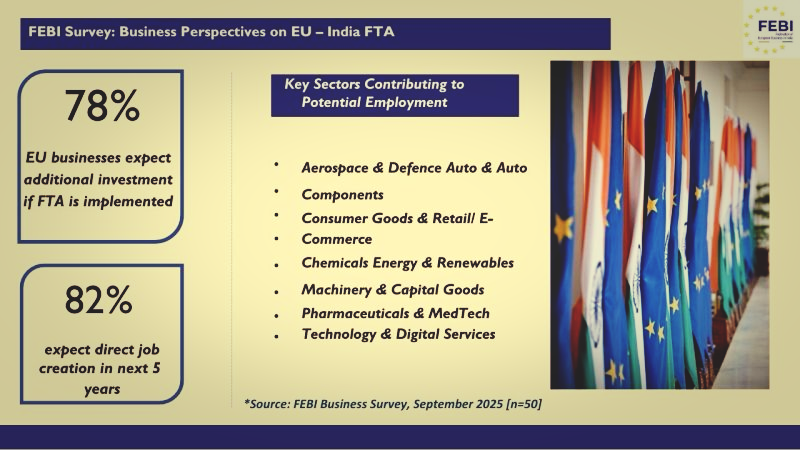
Sustainability is gradually emerging as a top driver of the India–EU trade relationship with greater focus on green demand, ethical behavior, and carbon footprint minimization. The EU Green Deal and proposed legislation such as the Carbon Border Adjustment Mechanism (CBAM) are compelling exporters from nations such as India towards green practices in manufacturing as well as logistics. This puts Indian manufacturers and suppliers under increasing pressure to monitor emissions, adopt cleaner fuels, and maintain clean supply chains that are free from environmental and labor abuses. Indian exporters are reacting by investing in solar power, water recycling, and minimizing waste in their operations. Logistics service providers are also moving towards electric fleets, route optimization, and carbon offsetting procedures to meet the sustainability standards of EU buyers. Therefore, the EU is making investments in green finance and capacity development of Indian exporters to counter such evolving norms. It is not a matter of marketing choice but regulatory requirement that supply chains are accountable in this setup.
Circular Economy: A Shared Vision for Sustainable Trade – Sustainability has become a cornerstone of the ongoing India–EU trade negotiations, with both parties aiming to align their economic activities with circular economy principles. The EUs emphasis on reducing resource consumption, promoting recycling, and minimizing waste resonates with Indias growing focus on sustainable development. This alignment is evident in initiatives like the Product Environmental Footprint Category Rules (PEFCR), which encourage standardized environmental assessments of products. Such frameworks facilitate mutual recognition of sustainability standards, enhancing trade in environmentally friendly goods and services.
Critical Goods: Strategic Cooperation and Trade Dynamics — The trade of critical goods, including rare earth elements, lithium, and cobalt, has become a focal point in the India–EU negotiations. These materials are essential for various high-tech industries, such as electronics and renewable energy. India’s role as a significant supplier of these critical raw materials positions it as a strategic partner for the EU, which seeks to diversify its supply chains and reduce dependency on other regions. Cooperative frameworks and trade agreements are being explored to ensure a stable and sustainable supply of these vital resources.
Manufacturing Goods Trade: Navigating Sustainability Standards — The trade of manufacturing goods between India and the EU is increasingly influenced by sustainability standards. The EU’s Carbon Border Adjustment Mechanism (CBAM) aims to impose tariffs on carbon-intensive imports, affecting sectors like steel and cement. India has expressed concerns that such measures could disadvantage its exporters, highlighting the need for a balanced approach that considers the developmental challenges of emerging economies Financial Times. Negotiations are ongoing to find common ground that promotes sustainable manufacturing practices without hindering trade flows.
The proposed India–EU FTA can greatly help reshape supply chains through the removal of tariffs, harmonization of standards, and enhanced investor confidence. Some of the goods currently transiting between the two economies are being faced with duties and bureaucratic obstacles that raise costs and lower competitiveness. If the FTA is concluded, lowering tariffs would make it cheaper for Indian exports to access EU markets, and vice versa. Apart from tariffs, the FTA also targets digital trade rules, protection of investment, and regulatory cooperation—all critical to supply chain efficiency. Harmonization of product standards and customs simplification under the FTA would lower compliance costs and simplify cross-border logistics. It would also initiate EU investment in Indian clean energy supply chains and logistics networks, which would result in more localized production-supporting centers and distribution. Such an agreement would likely serve the textiles, pharmaceutical, and machinery sectors, where highly elaborate global value chains are prevalent.
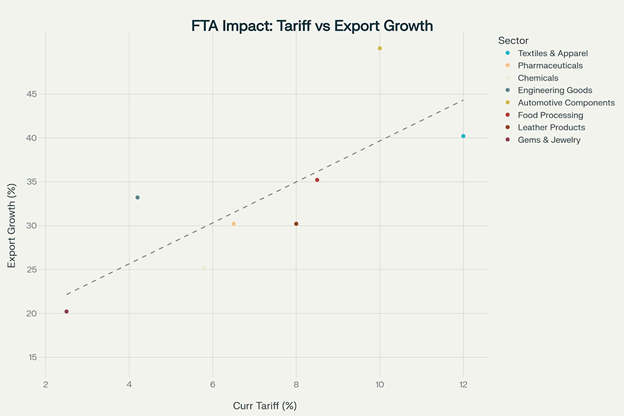
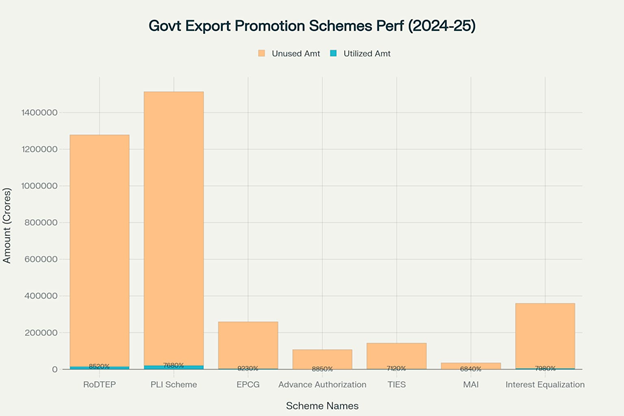
Indian small and medium-sized enterprises (SMEs) are increasingly contributing to the EU supply chain, particularly in industries such as textiles, engineering products, automobile components, and food processing. These companies are usually highly specialized and nimble, hence potential partners for EU buyers in looking for efficient and diversified procurement. Nevertheless, access to the EU market requires fulfillment of high-quality, compliance, and sustainability standards. In response, Indian SMEs are obtaining ISO certification, going through capacity-building exercises, and taking advantage of government agency-sponsored trade facilitation platforms such as the Indian Export Promotion Councils. Digitalization is also assisting SMEs to organize documentation, logistics, and customer communication in an improved manner. Virtual B2B platforms and online trade fairs have provided new avenues for EU partnerships without physical presence. Initiatives by the government, such as the Production Linked Incentive (PLI) and the Market Access Initiative (MAI), also make SMEs export-capable.
The India–EU trade negotiations have encountered several divergences, particularly concerning sustainability standards, market access, and regulatory frameworks.These divergences underscore the complexities involved in aligning the trade interests of India and the EU, especially when balancing sustainability objectives with economic development goals.
In conclusion, the future of India–EU commerce is to build supply chains that are efficient yet sustainable, transparent, and inclusive. As the EU leads on sustainability and ESG regulations, Indian textile, chemical, and engineering exporters must adapt their environmental requirements and ethical procurement conditions to remain competitive. This change, while challenging, also presents chances of long-term collaboration and access to high-value European markets. The intimated India–EU Free Trade Agreement will be a driver of this change through regulatory facilitation, tariffs reduction, and more efficient customs coordination. All this will enable Indian SMEs to penetrate further into EU value chains if they invest in quality, conformity, and digitalization. As more values-driven global value chains emerge, India’s capacity to balance cost-competitive production with sustainability will be crucial. By adopting such changes, Indian companies—not only big exporters but also nimble SMEs—are in a position to emerge as trusted partners in the fast-paced supply chain scenario of the EU.
The views expressed do not represent the company’s position on the matter. Stay informed through Nitisara Platform and Blogs and adapt to emerging trends are poised to thrive in the competitive global marketplace. – https://nitisara.org/category/blogs-updates/
References: