
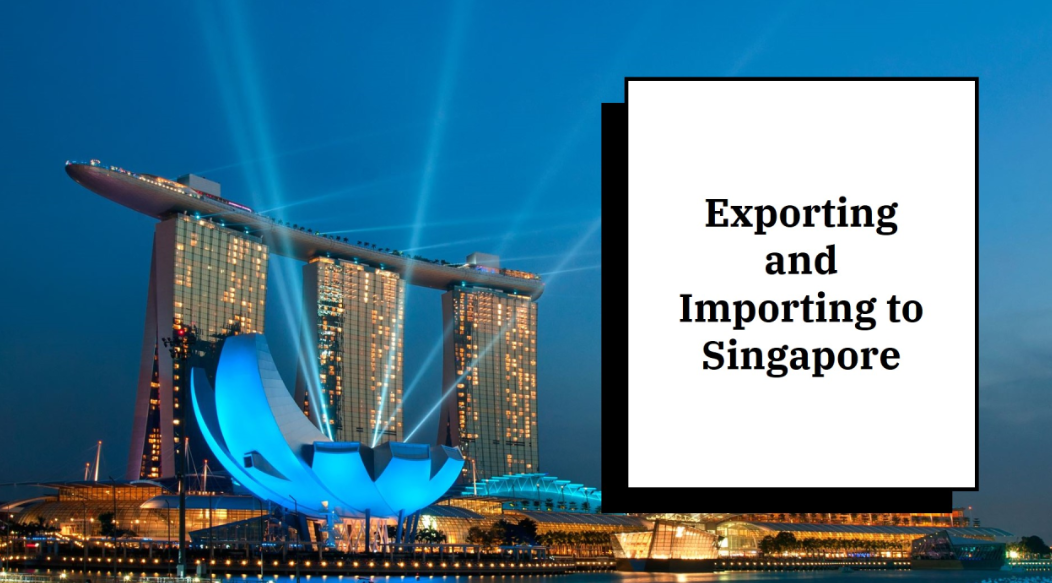
Singapore, which is a small island in Southeast Asia, has made its name as the global trade capital. The country’s strategic position that is preferred by businesspeople and other investors despite being limited in terms of resources has placed it at the center of world trade. This blog post delves into Singapore’s trading environment, global trade improvement campaigns, major imports and exports, and main partners in trade.
What is Singapore’s Trade Landscape?
Singapore’s trade landscape is characterized by its open economy, advanced port facilities, and strategic trade policies. The nation has consistently ranked among the top countries in the world for ease of doing business and global competitiveness. Singapore’s trade-to-GDP ratio is one of the highest globally, reflecting its deep integration into the world economy.
- Strategic Location and Infrastructure: Singapore occupies a strategic position whereby it lies at the intersection of major shipping lines between Asia, Europe and America which has earned her a place as an indispensable hub for global trade. The Singapore River is one of the most crowded and productive ports globally processing millions of containers each year. Moreover, connecting Singapore to other places is Changi Airport, which enables an easy flow of products from one place to another since it acts as leading air cargo port.
- Pro-Business Environment: The government’s business-friendly environment of Singapore is known for its transparent rules, minimal corruption and effectiveness in services. The country’s international trade and investment interest are due to a strong legal system, low tax rates and effective intellectual property protection.
Top trade Initiatives by Singapore to enhance global trade
Singapore has implemented several initiatives to strengthen its position in the global trade arena. These initiatives aim to diversify trade, enhance digital connectivity, and promote sustainable practices.
- Free Trade Agreements (FTAs): Singapore’s extensive network of free trade agreements with countries all over the world is notable. They reduce tariffs, eliminate trade barriers, and open up new markets for businesses. Some significant FTAs include: The Comprehensive and Progressive Agreement for Trans-Pacific Partnership (CPTPP), Regional Comprehensive Economic Partnership (RCEP) as well as bilateral agreements with major economies such as the United States, China and the European Union
- Digital Economy and Trade Facilitation: Having recognized the significance of the digital economy, the Singaporean government has started to roll out programs designed to boost digital trading. The government has initiated the Digital Economy Partnership Agreement (DEPA) with New Zealand and Chile as well as the Singapore-Australia Digital Economy Agreement (SADEA) to make it easier for data to flow across nations’ borders, advance e-commerce and enhance creation of innovative ideas. Moreover, Singapore is among key parties who participate in the World Trade Organization’s (WTO) Joint Statement Initiative on E-commerce, advocating for global rules to govern digital trade.
- Sustainable Trade Practices: Sustainability is a core focus of Singapore’s trade strategy. The country is committed to promoting green trade and reducing its carbon footprint. Initiatives such as the Singapore Green Plan 2030 and the development of sustainable supply chains underscore the nation’s commitment to environmental sustainability. Singapore is also a supporter of the Trade and Environmental Sustainability Structured Discussions (TESSD) at the WTO, which aim to align trade policies with environmental objectives.
Top Exports and Imports of Singapore
Singapore’s trade portfolio is diverse, encompassing a wide range of products. The country’s exports and imports reflect its role as a global trade and transshipment hub.
Major Exports
- Electronics: Integrated circuits, semiconductors, and telecommunications equipment are among Singapore’s top exports. The nation’s advanced manufacturing capabilities and strong research and development ecosystem support its electronics industry.
- Petrochemicals: As a major refining and petrochemical hub, Singapore exports refined petroleum products, chemicals, and plastics to markets worldwide.
- Machinery and Equipment: Singapore is a significant exporter of machinery, including specialized industrial machinery, electrical machinery, and medical devices.
- Pharmaceuticals: The nation’s growing pharmaceutical and biotechnology sectors contribute to exports of medical and pharmaceutical products.
Major Imports
- Electronics and Machinery: Singapore imports a significant amount of electronic components, machinery, and equipment for its manufacturing sector.
- Crude Oil: Given its status as a major refining hub, Singapore imports crude oil from various countries for refining and re-export.
- Food and Beverages: With limited arable land, Singapore relies on imports for a substantial portion of its food supply, including fresh produce, meat, and dairy products.
- Consumer Goods: The country imports a wide range of consumer goods, from luxury items to household appliances, reflecting its status as a global shopping destination.
Major Trade Partners of Singapore
Singapore’s trade relationships span the globe, with key partners in Asia, Europe, and the Americas.
- China: China is Singapore’s largest trading partner, accounting for a significant portion of its total trade. The two countries have strong economic ties, with extensive trade in electronics, machinery, chemicals, and consumer goods. The China-Singapore Free Trade Agreement (CSFTA) and the Belt and Road Initiative (BRI) further strengthen bilateral trade and investment.
- United States: The United States is a major trading partner for Singapore, with robust trade in electronics, machinery, pharmaceuticals, and services. The U.S.-Singapore Free Trade Agreement (USSFTA) enhances economic cooperation and provides a framework for addressing trade issues.
- European Union: The European Union is another key trading partner, with significant trade in machinery, chemicals, pharmaceuticals, and food products. The EU-Singapore Free Trade Agreement (EUSFTA) facilitates trade and investment flows between Singapore and EU member states.
- ASEAN: As a member of the Association of Southeast Asian Nations (ASEAN), Singapore has strong trade ties with its regional neighbors. Intra-ASEAN trade is significant, with substantial exchanges of electronics, machinery, chemicals, and consumer goods. The ASEAN Free Trade Area (AFTA) promotes regional economic integration and reduces trade barriers.
The Global Council for the Promotion of International Trade (GCPIT) highlights the importance of understanding Singapore’s regulatory environment, leveraging its strategic connectivity, and embracing digital transformation for business success. Key tips include collaborating with local businesses, engaging with the innovation ecosystem, and capitalizing on financial services. Sustainability is one of the major concerns of the trade strategy of Singapore. It has certainly jumped on the bandwagon when it comes to popularizing green trade and bringing down carbon emissions. More significantly, the Singapore Green Plan 2030 and the pursuit of sustainable supply chains are initiatives that prove the sincerity of the nation towards environmental sustainability. Singapore has also pledged its support at the WTO for the TESSD, working on ushering in a harmonization of trade policies with environmental goals. Nitisara Value Chain Platform is a one stop solution to carry out your export and import shipments of your products and harness the global market. It helps you in the entire process of EXIM trade effectively, efficiently, and seamlessly. Stay informed through Nitisara Platform and Blogs and adapt to emerging trends are poised to thrive in the competitive global marketplace.