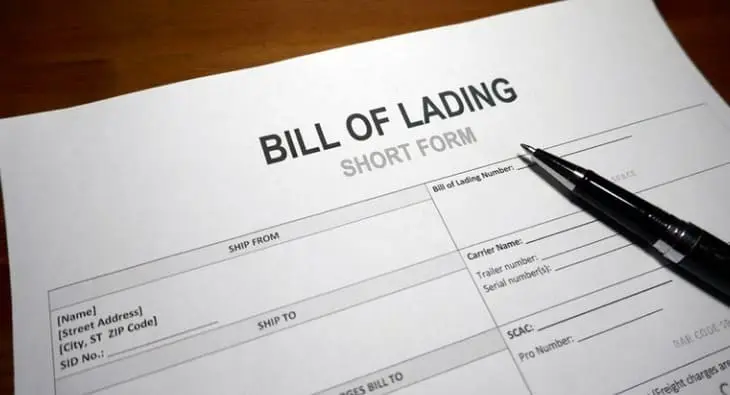
What is a Bill of Lading?
By admin
/ March 19, 2024
In the dynamic realm of international trade, the ‘bill of lading’ holds a pivotal role in ensuring the smooth transportation…
Read More

By Palak Bhagasra, Researcher, Nitisara
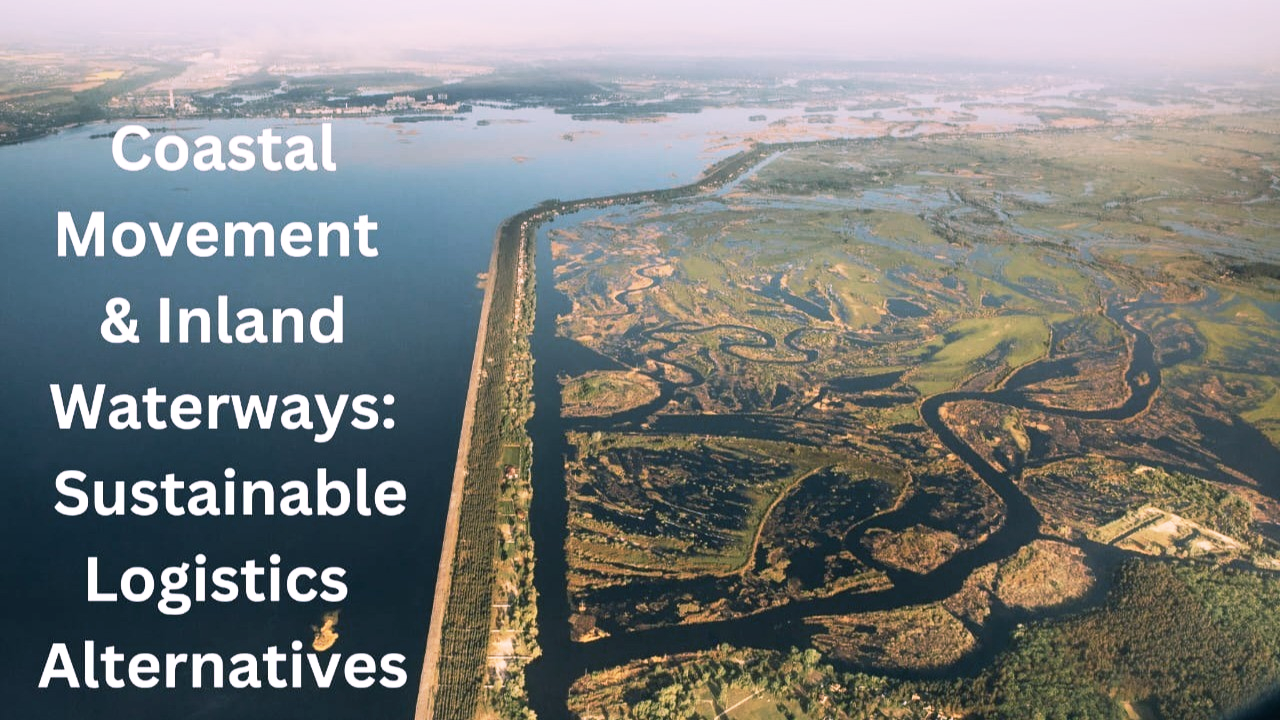
Traditionally, road and rail networks have dominated freight transportation, particularly in countries like India, where over 60% of goods are moved via trucks. However, these land-based systems are increasingly facing challenges such as congestion, high fuel costs, environmental degradation, and infrastructure strain. This blog explores the potential of coastal and inland waterway transportation, examining how these alternatives contribute to sustainability, economic efficiency, and regional development. We’ll also look at the challenges, technological innovations, policy efforts, and business implications of shifting freight movement from roads and rails to rivers and coasts.
With the changing Global Maritime Trade Order in 2025-2030, In the era of globalization, logistics and supply chains have become the backbone of economic development. Every product we use—whether it’s food, clothing, electronics, or construction material—travels through a complex web of transportation modes before it reaches us. Amidst these rising concerns, the focus is now shifting toward more sustainable and underutilized transportation alternatives: coastal shipping and inland waterways. These modes are not only eco-friendly but also cost-effective and scalable for both domestic and international logistics. They tap into the natural geography of countries with vast coastlines and river networks, offering an opportunity to diversify and decongest existing logistics infrastructure. Countries like India, with a 7,500+ km coastline and 14,500+ km of navigable inland waterways, are uniquely positioned to leverage these modes. The government has initiated major programs such as Sagarmala, Jal Marg Vikas, and Gati Shakti to promote these sectors. Globally, European countries, China, and the U.S. have already made significant strides in reviving water-based freight transport as a key component of their logistics ecosystems.
Together, these two modes form a complementary network. Coastal movement serves long-distance freight along seashores, while inland waterways provide deeper penetration into the hinterlands. This integrated approach has the power to transform logistics, reduce road dependence, and bring sustainable change to freight movement. Indian Lok Sabha Passes the Coastal Shipping Bill, 2024, in which Bill mandates a National Coastal and Inland Shipping Strategic Plan (Clause 8), revised biennially, to improve route planning, forecast traffic, and integrate coastal shipping with inland waterways. This strategic vision ensures long-term growth and sustainability in India’s maritime sector.
Coastal Movement: This refers to the transportation of goods and passengers along the coastlines of a country using sea routes, typically via smaller ships, roll-on/roll-off (Ro-Ro) vessels, or ferries. Unlike international shipping, which involves large container ships crossing oceans, coastal shipping operates within national maritime boundaries, connecting smaller ports along the shore. It can move goods such as bulk commodities, construction material, food, and fuel efficiently between cities without touching congested land routes.
Inland Waterways: These are navigable rivers, canals, lakes, and backwaters that allow the movement of barges or small vessels. Inland waterway transport is especially effective for heavy and bulk cargo like coal, cement, steel, and agricultural produce. A typical example is the National Waterway-1 in India (on the Ganga River), which runs from Haldia in West Bengal to Prayagraj in Uttar Pradesh. India has a vast network of inland waterways, with around 14,500 km of navigable routes. Out of this, about 5,200 km are rivers and 4,000 km are canals that can support mechanized vessels. there are 111 officially designated National Waterways in the country, covering a total length of approximately 20,275.5 km. These waterways are vital for promoting low-cost and eco-friendly transportation. Some of the key rivers used for inland water transport include the Ganges-Bhagirathi-Hooghly, Brahmaputra, Barak, Godavari, Krishna, and rivers in Goa. The backwaters of Kerala are also an important part of the network. To improve this sector, the government is focusing on building multimodal and intermodal terminals, along with community and floating jetties. Green technologies like Hybrid Electric and Hydrogen-powered vessels are also being introduced to make the system more sustainable.
1. Lower Cost per Ton-Kilometer: One of the most compelling arguments for using waterways is the cost-effectiveness. Barges and small vessels can carry hundreds or even thousands of tons in a single trip, making them far more efficient than trucks, which carry just 10–20 tons on average. As a result, the cost per ton-kilometer of inland water transport is significantly lower. For businesses, this translates into lower logistics costs, which in turn can bring down prices for consumers.
2. Environmental Benefits: Transportation is one of the largest contributors to greenhouse gas emissions globally. Compared to road or rail transport, coastal and inland waterway systems consume less fuel and emit fewer pollutants. According to estimates, a single liter of fuel can move a ton of cargo over: 105 km by waterways, 85 km by rail, 24 km by road. This makes water transport an ideal solution for companies looking to meet sustainability targets and reduce their carbon footprint.
3. Reduced Traffic Congestion: Urban roads and national highways in many developing countries are overcrowded, leading to delays, fuel wastage, and maintenance costs. By diverting a portion of freight to water routes, we can decongest highways, ease pressure on road infrastructure, and improve the overall efficiency of the transportation system.
4. Enhanced Regional Development: Water-based transport can connect remote areas, unlock rural markets, and bring prosperity to regions that are otherwise disconnected from mainline logistics corridors. Inland waterways in particular allow for smooth, scalable transport across state borders and even international boundaries in some cases (like India-Bangladesh protocols for river transport).
5. Disaster-Resilient and Strategic: In the face of natural disasters or geopolitical risks, water transport often proves more resilient and strategic. Coastal ports and river docks can function even when roads or rail lines are damaged. For defense and emergency supplies, water routes provide a vital backup system.
Water governance represents one of the most complex challenges in contemporary international law, encompassing diverse ecosystems, multiple jurisdictions, and competing interests. The United Nations has developed a sophisticated framework to address these challenges through a combination of binding legal instruments, policy initiatives, and sustainable development targets. This comprehensive approach recognizes the interconnected nature of water systems and the need for coordinated international action to ensure their sustainable management and protection.
The UN’s waterway governance framework operates through two primary domains: coastal and marine environments governed primarily by UNCLOS, and inland freshwater systems addressed through the UN Watercourses Convention and related instruments. This dual approach reflects the distinct characteristics and challenges associated with different water bodies while maintaining coherent principles of sustainable use and environmental protection.
UNCLOS serves as the foundational legal instrument governing global ocean and sea resources, establishing a comprehensive framework for marine and maritime activities. The convention creates a structured system of maritime zones, each with distinct rights and responsibilities for coastal states and the international community.
The convention establishes four primary maritime zones: territorial seas extending up to 12 nautical miles from the baseline, where coastal states exercise sovereignty; contiguous zones extending up to 24 nautical miles, where states may exercise control over customs, fiscal, immigration, and sanitary matters; exclusive economic zones (EEZs) extending up to 200 nautical miles, where coastal states have sovereign rights over natural resources; and the continental shelf, where states have rights over seabed and subsoil resources.
UNCLOS incorporates comprehensive environmental protection provisions that address the growing threat of marine pollution and resource depletion. The convention establishes obligations for states to protect and preserve the marine environment, including measures to prevent, reduce, and control pollution from land-based sources, vessels, and deep-sea mining activities.
The framework emphasizes the precautionary principle and ecosystem-based management approaches, requiring states to take measures to protect rare or fragile ecosystems and marine species. These provisions create a foundation for international cooperation in marine conservation and establish standards for environmental impact assessment of marine activities.
SDG 14 provides a contemporary policy framework complementing UNCLOS by establishing specific targets for ocean conservation and sustainable use. The goal addresses critical issues including marine pollution reduction, sustainable fisheries management, marine protected area establishment, and ocean acidification mitigation.
The targets under SDG 14 create measurable objectives for ocean health, including the prevention of marine pollution, restoration of marine ecosystems, and promotion of sustainable ocean-based economies. This goal framework facilitates international cooperation and provides metrics for assessing progress in marine conservation efforts.
The UN Convention on the Law of the Non-Navigational Uses of International Watercourses addresses the sustainable management of transboundary freshwater resources, including rivers, lakes, and aquifers that cross international boundaries. The convention establishes fundamental principles for equitable and reasonable utilization of shared water resources while emphasizing the obligation to prevent significant harm to other watercourse states.
The framework promotes cooperative management through the establishment of joint management institutions and the development of comprehensive water management plans. The convention requires states to exchange information, consult on planned measures, and engage in good faith negotiations to resolve disputes related to transboundary water resources.
The Ramsar Convention provides specialized governance for wetland ecosystems, addressing both coastal and inland wetlands through a framework emphasizing conservation and sustainable use. The convention establishes a global network of wetlands of international importance and promotes national wetland conservation policies. The framework recognizes the critical ecological functions of wetlands, including flood control, water purification, and biodiversity conservation. The convention requires parties to designate wetlands for inclusion in the List of Wetlands of International Importance and to develop national wetland policies that promote conservation and sustainable use.
SDG 6 addresses freshwater resources through targets focused on universal access to safe water and sanitation, water quality improvement, and integrated water resources management. The goal emphasizes the importance of protecting freshwater ecosystems and promoting international cooperation in water-related capacity building. The framework includes specific targets for improving water quality, increasing water use efficiency, and protecting water-related ecosystems. These targets create a comprehensive approach to freshwater management that addresses both human needs and environmental sustainability
Integration and Coordination Mechanisms: The UN waterway governance framework demonstrates significant integration between different legal instruments and policy initiatives. The complementary nature of UNCLOS and the UN Watercourses Convention creates a comprehensive approach to water governance that addresses the full spectrum of water resources from source to sea. The framework promotes coordination through institutional mechanisms, including specialized UN agencies, regional organizations, and multilateral partnerships. These mechanisms facilitate information sharing, capacity building, and joint implementation of water governance initiatives. Despite their potential, coastal and inland water transport systems are not without challenges. These must be addressed to make the system viable, competitive, and scalable:
a) Infrastructure Gaps – Many non-major ports along coasts lack modern cargo-handling equipment, deep drafts, and warehousing facilities. Similarly, many inland waterways are shallow, silted, and lack proper terminals or jetties. Seasonal variation in water levels further complicates navigation.
b) Poor Connectivity – Inland and coastal shipping cannot succeed in isolation. They must be linked to road and rail networks for first-mile and last-mile delivery. This requires heavy investment in multimodal logistics parks, container freight stations, and digital tracking systems.
c) Policy and Regulation – Inconsistent cabotage rules, port tariffs, and lack of coordination between state and central authorities create bottlenecks. There is also a need for standardization in vessel design, safety norms, and certification procedures across states.
d) Environmental Risks – While water transport is green, improper dredging, port expansion, and increased vessel movement can harm fragile marine and river ecosystems. Sustainable planning, proper environmental assessments, and community involvement are critical.
| Factor | Coastal Shipping | Inland Waterways |
|---|---|---|
| Route Type | Along the coastline | Through rivers, canals, lakes |
| Cargo Volume | High (bulk, containers, fuel) | Moderate to high (bulk, agri goods) |
| Main Advantage | Covers long distances efficiently | Access to interior/rural regions |
| Environmental Impact | Low emissions, fuel efficient | Very low emissions, eco-friendly |
| Infrastructure Needs | Ports, terminals, deep drafts | Dredging, jetties, navigation systems |
Coastal and inland waterways offer compelling alternatives to conventional road-rail logistics. When supported by investment, smart regulation, and modern tech, they provide a path to cost-effective, eco-friendly, and resilient supply chains. For nations like India—with long coastlines and intricate river networks—these modes are more than alternatives—they’re necessities for sustainable growth. As we look forward, continued focus on green fleets, smart infrastructure, and multimodal integration will turn these waterways into key arteries of commerce, bringing both economic prosperity and environmental stewardship.
Stay informed through Nitisara Platform and Blogs and adapt to emerging trends are poised to thrive in the competitive global marketplace. – https://nitisara.org/category/blogs-updates. The views expressed do not represent the company’s position on the matter.
Reference: