What is a Bill of Lading?
By admin
/ March 19, 2024
In the dynamic realm of international trade, the ‘bill of lading’ holds a pivotal role in ensuring the smooth transportation…
Read More


By Kanak Kansal, Researcher, Nitisara
Over 45% of Indian exports come from the MSME sector, yet they face the highest working capital stress. This article covers critical steps to be taken post your B2B shipments in cross-border logistics. The following analysis delves deeper into procedural aspects of important measures that need to be kept in mind for exporting and importing goods internationally.
Post-shipment finance refers to a short-term loan extended to exporters following the shipment of their goods or the provision of export services, but prior to receiving payment from the foreign buyer.In India, export payments generally adhere to credit terms such as 30, 60, or 90 days, contingent upon the agreement established between the buyer and seller. This interval can exert pressure on the working capital of the exporter. Exporters are still obligated to settle payments with suppliers, labor, transportation, and overhead costs, even in the absence of payment. This delay can particularly result in cash flow issues for MSMEs. Post-shipment finance serves to alleviate this gap by offering immediate liquidity, ensuring that the exporter’s operations continue seamlessly after a shipment.
By availing post-shipment finance, exporters gain access to working capital that bridges the period between shipment and realization of export proceeds. Banks and financial institutions provide this facility against export documents, offering funds at competitive interest rates. The finance not only mitigates cash flow challenges but also enhances an exporter’s ability to fulfill additional orders, maintain credibility with suppliers, and remain competitive in global markets. For MSMEs, in particular, this support is crucial in sustaining growth and meeting international demand without disruption.
Post-shipment finance can take several forms depending on the nature of the export transaction and the financing needs of the exporter. Export Bills Purchase or Discounting allows banks to provide immediate funds by purchasing or discounting the export bills before the actual payment is received from the overseas buyer. Export Bills Negotiation is extended when exports are made under a Letter of Credit, wherein banks release funds after verifying the documents against the LC terms. Exporters may also avail Advance Against Duty Drawback, which enables them to receive finance against the expected reimbursement of customs duty or taxes from the government. Collectively, these instruments provide exporters with flexibility and timely liquidity to manage their operations efficiently.

(source: https://www.adb.org/trade-supply-chain-finance-program/supply-chain-finance)
There are various types of post-shipment finance options tailored to different business needs. Each type is suited to different kinds of exporters depending on the size, risk level, and speed of payment expected from the foreign buyer.
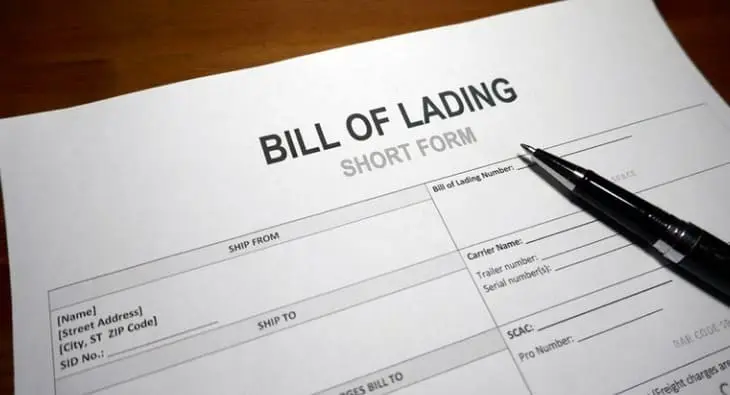
To apply for post-shipment finance, exporters must submit essential trade documents including the commercial invoice, bill of lading or airway bill, shipping bill, packing list, and a letter of credit (LC) or export order. These documents serve as proof of shipment and contractual compliance, allowing banks to disburse funds before payment is received from the overseas buyer. However, challenges in documentation are one of the leading causes of delay or rejection in post-shipment financing. Incomplete, inconsistent, or improperly formatted paperwork can result in payment disputes, delayed reimbursements, or even loss of credit insurance coverage. According to export finance reports, around 30% of MSME payment delays stem from documentation-related issues, causing a loss of working capital flow and additional costs in the form of penalties, reprocessing fees, and higher interest on overdue loans. In a competitive global environment, the inability to provide correct post-shipment documents can jeopardize business relationships, reduce exporter credibility, and increase financial risk, making accurate documentation not just a procedural requirement but a strategic safeguard.
To apply for post-shipment finance, exporters must submit:
RBI allows post-shipment finance for a maximum of 180 days from the date of shipment. Exporters must receive payment from the buyer within this period. For special cases like:
If the buyer delays payment:
If the buyer defaults or becomes bankrupt:
Hence, exporters are advised to take ECGC cover before dispatching goods on credit terms.
The Export Credit Guarantee Corporation of India (ECGC) provides insurance to exporters and banks. Its main functions are:
Exporters can take ECGC cover for Whole turnover, Specific shipments and Countries with higher risk
If the foreign buyer pays early, the exporter can repay the loan before the due date. Early repayment reduces the interest burden and shows financial discipline. Banks may even offer rebates on interest for prompt payments in certain cases.
EXIM Bank of India plays a pivotal developmental and catalytic role in promoting India’s international trade, particularly where commercial banks are reluctant to intervene due to elevated credit risks. With a focus on large-scale and strategic export transactions, EXIM Bank supports projects in high-risk geographies, sectors requiring long credit periods, or where private lenders are constrained by capital adequacy or risk appetite. As per its 2023-24 Annual Report, EXIM Bank extended over ₹1.3 lakh crore in credit support, with more than ₹30,000 crore earmarked for post-shipment financing alone. Its offerings mitigate buyer defaults through guarantees, lines of credit, and buyer’s credit, especially in emerging markets across Africa, Asia, and Latin America. Key post-shipment offerings include export bills, rediscounting buyer’s credit under NEIA, and overseas investment financing, all designed to help Indian exporters navigate risk while expanding into complex global markets.
In conclusion, post-shipment finance is not just a bridge between shipment and payment, it is a lifeline for India’s exporting economy, especially for the 6.3 crore and more MSMEs that contribute over 45% of the country’s exports. According to RBI reports, Indian banks disburse more than ₹1.5 lakh crore in export credit annually, yet a significant portion of MSMEs (nearly 70%) still remain outside the reach of formal post-shipment finance systems. This gap not only restricts their financial flexibility but also reduces their competitiveness in global markets.
In essence, post-shipment finance plays a vital role in strengthening a country’s export competitiveness by ensuring that exporters, particularly MSMEs, have uninterrupted access to liquidity. By bridging cash flow gaps, it empowers smaller businesses to take on larger orders, expand into new markets, and honor commitments on time. This not only enhances their credibility in global trade but also contributes to the overall growth of the export sector, reinforcing the nation’s position in international commerce.
This article does not represent the company’s views and positioning. Stay informed through Nitisara Platform and Blogs and adapt to emerging trends are poised to thrive in the competitive global marketplace.- https://nitisara.org/category/blogs-updates/